
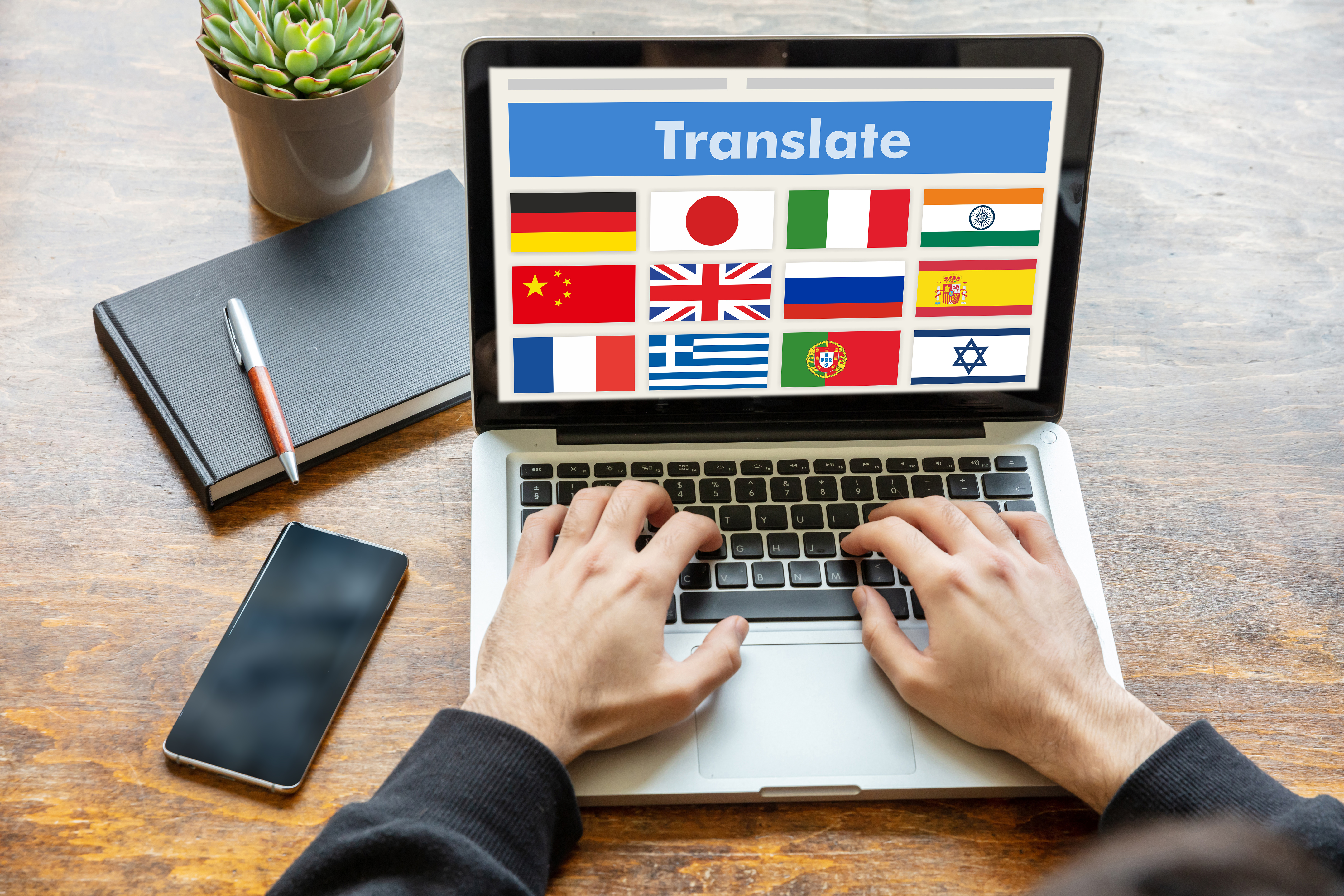
So, you've got that one video that absolutely slaps on YouTube or Insta, people are commenting, liking, sharing. But SEO? Crickets. If you've ever wondered why your content doesn't show up as much as it deserves to, here's the tea: you're probably missing out on the power of Translate Video to text.
This blog is gonna walk you through how to turn your videos into searchable, repurposable gold, the kind that boosts your visibility, keeps your brand alive on Google, and helps your content work harder (not you).
Why Turning Your Videos into Text Actually Matters
Let's be real, no one has the patience to watch every video with sound on. We scroll fast, tap faster, and half the time, we're on mute. That's exactly why converting your video into text is such a big deal: it keeps your content discoverable and accessible, even to people who aren't watching.
Also, here's the thing: search engines can't "watch" videos. They rely on words. So, when you do a video-to-text conversion, you're basically feeding Google the information it needs to understand and rank your content.
And when it's done right, here's what happens:
- You start ranking for those juicy keywords.
- You reach audiences who speak different languages.
- You get fresh content to repurpose across all your platforms.
It's like giving your video a new purpose, kind of like recycling, but for content.
Step 1: Choose the Right Video
Not every video deserves the spotlight. Some are made for quick trends, and that's fine. But if you're going through the effort of a video-to-text conversion, pick something with long-term value.
Look for videos that:
- Consistently get views or engagement.
- Share tips, tutorials, or insights that don't expire in a week.
- Reflect your brand's tone or story in a meaningful way.
Basically, go for the ones that make people comment, "This actually helped." Those are the ones worth converting. And if you're a brand? Your "About Us," behind-the-scenes, or how-to videos are usually goldmines for repurposing.
Step 2: Get Your Transcript Ready
Okay, this part's where things get technical, but don't stress, it's simpler than it sounds. You need a clean, readable transcript before you can even think about translating.
There are two main routes here:
Auto-Generated Captions: Platforms like YouTube automatically generate captions. You can download them and clean them up. Just make sure to double-check words; AI captions sometimes make hilarious mistakes.
Transcription Tools: If you want something more reliable, use tools like Otter.ai, Descript, or Happy Scribe. These not only transcribe but also let you edit in real time.
And don't skip on the small stuff—punctuation, spacing, and readability. It's not just about copying text; it's about making it sound human. Quick thought: Try reading it out loud. If it feels stiff, it probably needs tweaking.
Step 3: Translate That Transcript Like a Local
Now that your base text is ready, it's time for transcript translation. This is where your content really goes global.
You've got two ways to do it:
- Quick AI help from tools like Google Translate or DeepL.
- Or a professional translator for important or brand-sensitive stuff.
But here's something people often forget: translating isn't just swapping words. It's about tone. Cultural context, slang, and even humor can totally change across languages. You want your translated content to feel natural to that audience, not like it was dropped straight out of a bot.
And once it's done, give it one last read-through. You'll catch things that translation tools miss—awkward phrasing, missing context, or weird grammar quirks.
Step 4: Make It SEO-Ready
Here's where the magic happens. You've got your transcript, you've done the convert video text step, now make it work for search engines.
Think of SEO as the GPS that helps people find your content online. Without it, even the best stuff gets lost.
Here's how to make your text pop:
- Slide in your keywords naturally (seriously, don't force them).
- Break up text with headers that make sense.
- Write a short intro and outro for context.
- Add relevant links to your site, blog, or social handles.
If you're posting it as a blog, make it look like an actual story, not a transcript dump. Add a conversational tone, maybe a question or two. People love reading stuff that feels like a chat, not a manual.
Step 5: Repurpose Like a Content Ninja
Once you've nailed the SEO, it's time to multiply your content. This is where the whole convert video text process really pays off.
A single translated transcript can become:
- A blog (yep, like this one).
- Captions or snippets for Instagram and TikTok.
- A LinkedIn article.
- Newsletter content.
- Podcast or video descriptions.
You're not creating new content every time, just reshaping what you already have. That's how smart creators stay consistent without burning out.
And here's a small trick: every time you post repurposed text, mention or link back to the original video. It helps both versions perform better.
Step 6: Keep It Readable and Real
Formatting matters more than people think. A wall of text is a no-go. Use breaks, bullets, and short paragraphs, especially when you translate video to text or work on transcript translation, since good structure keeps your content easy to follow and more engaging. It keeps your readers from zoning out.
Also, don't be afraid to keep it casual. Throw in small reactions or thoughts. Something like, "Honestly, this part takes patience, but it's worth it," makes your writing feel more alive.
And if you're posting on a more chill platform (like Medium or Substack), adding emojis or playful lines can make it even more relatable. Just don't overdo it.
Step 7: Post, Promote, and Watch the Results
You've done the heavy lifting, now it's showtime. Publish your text on your website or blog and promote it across your socials.
Try sharing short quotes from the transcript or a few interesting stats as posts. It's a great way to drive people back to your content.
Once it's live, track how it performs. Look at:
- Which keywords are pulling traffic?
- How much organic reach are you getting?
- Whether engagement goes up when you share translated text versions.
It's all about learning what clicks with your audience and what doesn't. And yes, this is where video-to-text conversion starts paying off, because every new piece of text is another entry point for people to find you.
Conclusion
Translating and repurposing your videos isn't just an SEO trick; it's a long-term growth move. It helps your content go further, reach new audiences, and show up in searches way more often.
So the next time you're done editing a video, take an extra hour to translate video to text and focus on transcript translation to make your message accessible across languages. You'll get better visibility, more content to share, and a global audience that actually gets you.
In the end, it's not about creating more, it's about being smart with what you already have. That's how creators stay ahead, and that's how you make your content timeless.
